

Steam rooms and aromatherapy are a natural pair: hot, humid air carries scent fast, so a few drops of essential oil change the whole session. This guide compares 14 oils, shows where the oil actually goes in a steam room (it is not the same as in a sauna), and covers how much to use and which oils to skip.
Short answer
Eucalyptus is the best all-round oil for a steam room and the one most spas use: fresh, clean and easy to like. Choose lavender or cedarwood to wind down, peppermint or lemon for a morning lift. Use a few drops (start with 3 to 5) of a 100% pure essential oil in the aroma cup of the steam head or on a damp cloth nearby, never on the hot nozzle or in the generator, and skip harsh oils like cinnamon.
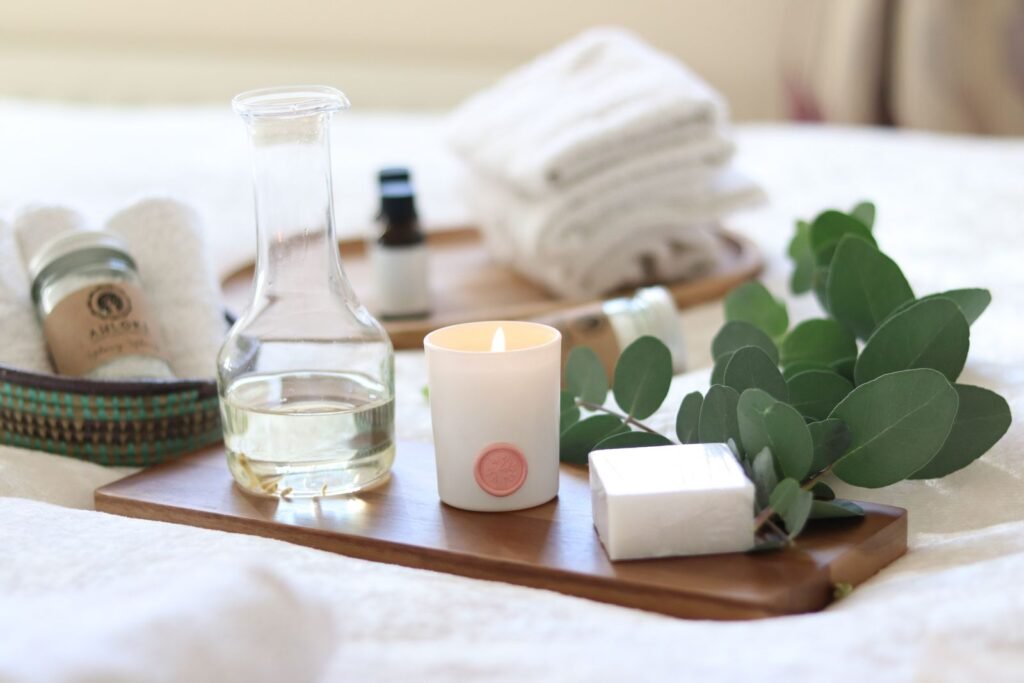
Best essential oils for a steam room at a glance
Here is how the most popular steam room oils compare. Oil names link to Amazon; as an Amazon Associate we earn from qualifying purchases.
| Oil | Scent | Best for | Good to know |
|---|---|---|---|
| Eucalyptus | Fresh, camphor-like | All-round, clear-head feeling | The spa classic; 2 to 3 drops are plenty |
| Lavender | Soft, floral | Winding down, evening sessions | Can make you drowsy |
| Peppermint | Sharp, cooling | Morning or post-workout lift | Very strong; keep away from young children |
| Pine | Fresh forest | Classic woodsy steam | Pairs well with eucalyptus |
| Cedarwood | Warm, woody | Calm, sauna-like mood | Blends well with lavender |
| Sandalwood | Creamy, woody | Calm without feeling sleepy | Pricey; check it is not a diluted blend |
| Tea tree | Herbal, medicinal | A clean, fresh smell | Strong; mix with a softer oil |
| Lemon | Bright citrus | Energy and focus | Good morning oil |
| Sweet orange | Sweet, fruity | Cheerful, upbeat sessions | One of the mildest oils |
| Bergamot | Citrus-floral | Relaxed but alert | Not drowsy like lavender |
| Rosemary | Herbal, camphor | Alertness | Skip if pregnant or epileptic |
| Frankincense | Resinous, warm | Slow, meditative sessions | Blends well with citrus |
| Birch | Wintergreen-like | Post-workout ritual | Skip if aspirin-sensitive, pregnant or around kids |
| Cinnamon | Spicy, sweet | Rarely worth it in steam | Irritates eyes, skin and airways |
As an Amazon Associate we earn from qualifying purchases.
Not sure which scent is yours? This set lets you try six of the oils above: eucalyptus, lavender, peppermint, lemon, sweet orange and tea tree. All are single-ingredient, USDA organic oils, and at a few drops per session each 10 ml bottle lasts for dozens of steams.
Check price on AmazonCan you use essential oils in a steam room?
Yes. In your own steam room or steam shower, essential oils are a normal part of the experience, and many steam systems have a built-in aroma cup for exactly that. In a gym or spa, ask first: many facilities do not let guests add their own oils because the air is shared and some people react to strong scents or have asthma.
People mainly add oils for these reasons:
A more pleasant atmosphere
Scent is personal, like perfume. If you share the steam room, agree on the oil first: one person’s calming lavender is another person’s headache.
Relaxation and stress relief
Lavender, cedarwood, sandalwood and bergamot are the classic choices for unwinding. Research on aromatherapy is still limited, and the US National Center for Complementary and Integrative Health (NCCIH) notes that little rigorous research has been done, so think of oils as a way to make a relaxing ritual more enjoyable rather than as a treatment. More on heat and stress: is a sauna good for stress?
An energy or mood lift
Citrus oils (lemon, sweet orange, bergamot) and peppermint smell bright and awake, which is why they suit morning or post-workout sessions. In one small study cited by NCCIH, lemon scent improved mood, although neither lemon nor lavender changed measurable stress markers.
That open-airways feeling
Eucalyptus and peppermint contain compounds (1,8-cineole and menthol) that feel cooling in the nose and throat. That sensation is why they are steam room favorites, but it is a feeling of easier breathing, not a cure for congestion. If you have asthma, strong oils can trigger symptoms, so test carefully or skip them.
A calmer evening before sleep
A lavender steam in the evening fits well into a wind-down routine. Just avoid it before a morning workout, because it can leave you feeling sleepy. See also: is a sauna good for sleep?
How to use essential oils in a steam room

A steam room works differently from a sauna: there are usually no hot rocks to pour water on. Steam comes from a generator and enters the room through a steam head (the nozzle), so where the oil goes depends on your setup.
Steam room or steam shower with an aroma cup
Many steam heads have a small aromatherapy reservoir or cup. With the unit off and cool, add a few drops there; the steam carries the scent evenly as the room fills. Check your manual for the exact spot.
No aroma cup? Use a damp cloth or a bowl
Put 2 to 3 drops on a damp washcloth or into a small bowl of hot water and place it near the steam head, not on it. The outlet gets scalding hot, and steam shower makers warn that oil applied straight to the nozzle burns off with an unpleasant smell and can damage seals and plastic parts. Draping a towel over your head also keeps the scent close to you.
Never add oil to the generator
Oil in the generator or its water supply leaves residue in the steam lines and can void the warranty. Scent always goes in on the room side, never into the machine.
In a public steam room
Ask the staff first. If oils are not allowed, one drop on your own towel, held near your face, keeps the scent to yourself.
Sauna with rocks, for comparison
In a traditional Finnish sauna you mix a few drops into the water bucket and ladle it over the hot stones, the classic infusion. Our guide to dry vs wet sauna explains the difference, and infrared sauna vs steam room covers the other common option.
How much essential oil should you put in a steam room?
Start with 3 to 5 drops for a home steam room or steam shower, and only 1 to 2 drops of very strong oils like peppermint, eucalyptus or tea tree. Wait a few minutes before adding more, because the scent builds as the room fills with steam.
Too much is easy to notice: stinging eyes, a scratchy throat or a headache. If that happens, step out, rinse your face and use fewer drops next time.
Buy 100% pure, single-ingredient essential oils. Fragrance oils and pre-diluted massage blends contain carrier oils or synthetic scents that are not meant to be vaporised and can leave residue.
As an Amazon Associate we earn from qualifying purchases.
Eucalyptus is the oil most steam rooms run on, and a 4 oz bottle lasts a long time at a few drops per session. Buy a single-ingredient oil labelled 100 percent pure: fragrance oils and pre-diluted blends can leave residue and are not meant to be vaporised.
Check price on AmazonA smaller bottle if you only use the steam room now and then, or want to test whether eucalyptus suits you before buying a larger size. Same rule applies: dilute it in water, never pour oil straight onto a hot surface.
Check price on AmazonSafety tips for essential oils in steam
- Never pour oil onto the steam head, a heating element or into the generator.
- Do not put undiluted essential oils on your skin.
- If you are pregnant or have asthma or epilepsy, talk to your doctor before using strong oils such as rosemary, eucalyptus or peppermint in steam.
- Keep eucalyptus and peppermint away from babies and young children.
- Many essential oils are harmful to cats and dogs, so keep pets out of a scented room.
- Leave the steam room if you feel dizzy, nauseous or get a headache, and keep sessions to about 10 to 20 minutes.
The 14 best oils for steam rooms, explained
Eucalyptus
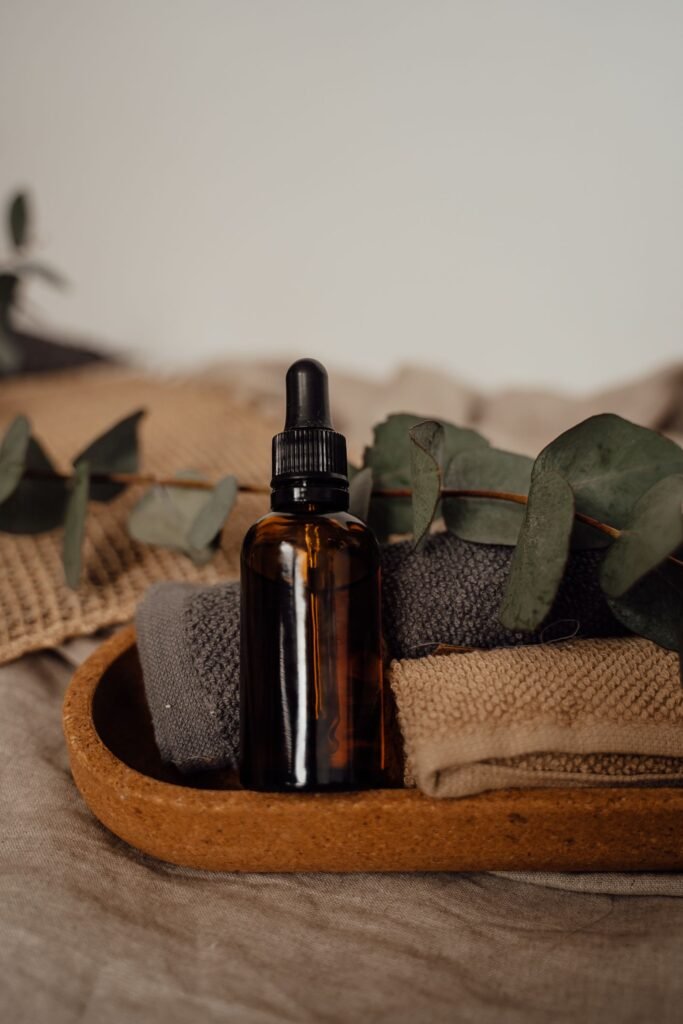
Eucalyptus smells fresh and slightly camphor-like, and it is the default oil in most spa steam rooms. Its main compound, 1,8-cineole, gives that cooling, open-nose feeling that makes steam feel even clearer. It works at any time of day because it does not make you drowsy. Keep it to a few drops; more quickly becomes eye-watering.
Lavender
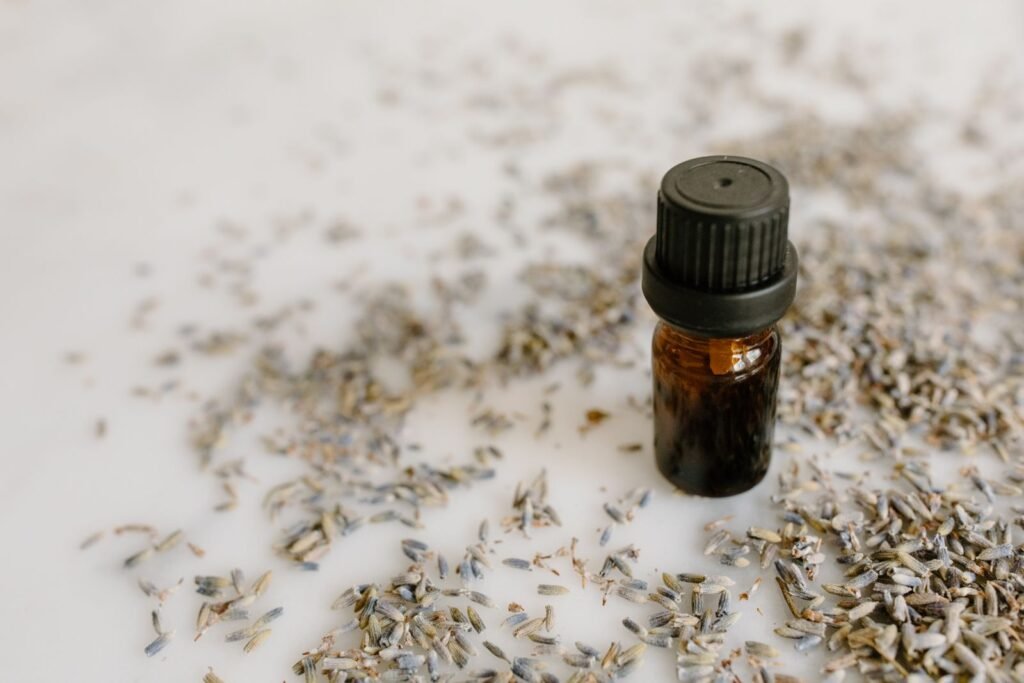
Lavender is the go-to oil for relaxing. Its soft floral scent suits an evening steam before bed, but it can leave you feeling sleepy, so it is a poor match for a session before work or training. Research on lavender for anxiety and sleep is still limited, so enjoy it as part of a wind-down ritual rather than as a remedy.
Peppermint
Peppermint is sharp and cooling thanks to menthol. One or two drops are enough for a bracing morning or post-workout steam. Keep it away from your eyes and away from babies and young children.
Pine
Pine smells like a walk in the forest and is a classic in Nordic spas. It blends well with eucalyptus for a fresh, woodsy steam.
Cedarwood
Cedarwood has a warm, woody scent that makes a steam room smell like a timber sauna. Many people find it calming, and it pairs nicely with lavender or orange.
Sandalwood
Sandalwood is creamy, woody and slightly sweet. It feels calming like lavender without the sleepy effect, which makes it a good choice for a quiet, meditative session. Real sandalwood is expensive, so cheap sandalwood oils are often diluted or synthetic; check the label.
Tea tree
Tea tree has a sharp, herbal, medicinal smell. It gives a clean, fresh impression but is strong on its own, so blend one drop with eucalyptus or lemon.
Lemon
Lemon is bright and zesty, a good pick for a morning steam when you want to feel alert. It also makes the room smell clean.
Sweet orange
Sweet orange is the friendliest citrus: soft, sweet and cheerful. It is one of the mildest oils on this list, which makes it a good first oil to try.
Bergamot
Bergamot is the citrus that gives Earl Grey tea its flavor. It smells fruity and floral, and many people use it to feel relaxed yet awake; it will not make you drowsy the way lavender can.
Rosemary
Rosemary is herbal and camphor-like, with an energizing edge. Skip it if you are pregnant or have epilepsy, and ask your doctor if you are unsure.
Frankincense
Frankincense has a warm, resinous scent associated with meditation and incense. It suits slow, quiet sessions and blends well with orange or lavender.
Birch
Birch oil smells like wintergreen and is popular after workouts. It is rich in methyl salicylate, a compound related to aspirin, so skip it if you are sensitive to aspirin, pregnant or sharing the steam room with children, and never use more than a drop or two.
Cinnamon
Cinnamon smells warm and spicy, but cinnamon bark oil is one of the most irritating essential oils for skin, eyes and airways. In a hot, enclosed steam room it is easy to overdo, so we recommend skipping it, especially in a shared room.
What is the best oil to use in a steam room?
For most people, eucalyptus. It is the most common steam room oil for good reason: it smells clean, feels refreshing to breathe, works at any time of day and mixes well with almost everything else. If you mainly steam in the evening to unwind, lavender is the better pick; for a woodsy, sauna-like scent, go for cedarwood or pine.
Easy blends to try (drops per session):
- Fresh: 2 eucalyptus + 1 peppermint
- Forest: 2 pine + 1 cedarwood
- Evening: 2 lavender + 1 cedarwood
- Morning: 2 lemon + 1 sweet orange
FAQ
What is the most common oil used in steam rooms?
Eucalyptus. Most spa and gym steam rooms that offer scent use eucalyptus, often combined with menthol or peppermint.
Can I put essential oils directly on the steam head?
No. The nozzle is scalding hot, the oil burns off with an unpleasant smell and it can damage seals. Use the aroma cup or a damp cloth nearby instead.
Can I bring my own essential oils to a gym steam room?
Only if the gym allows it. Many do not, because the air is shared. A drop on your own towel is usually the most considerate option.
Can I use the same oils in a sauna?
Yes. In a traditional sauna, mix a few drops into the water bucket and ladle it onto the stones; never put oil directly on the stones or the heater. For a guided session with infusion breaks, try our sauna rituals.
Sources
- NCCIH: Aromatherapy
- MrSteam: Essential oils and steam, the dos and donts
- Vidalux: Aromatherapy in your steam shower, why how you add the oils matters
Editorial note: this guide is general information about using essential oils for scent and comfort. It is not medical advice. If you have a health condition, are pregnant or use essential oils around children, check with your doctor first.